Two Functions in One Bag: Why the 2-in-1 Waterproof Cooler Backpack Is Harder to Source Than It Looks
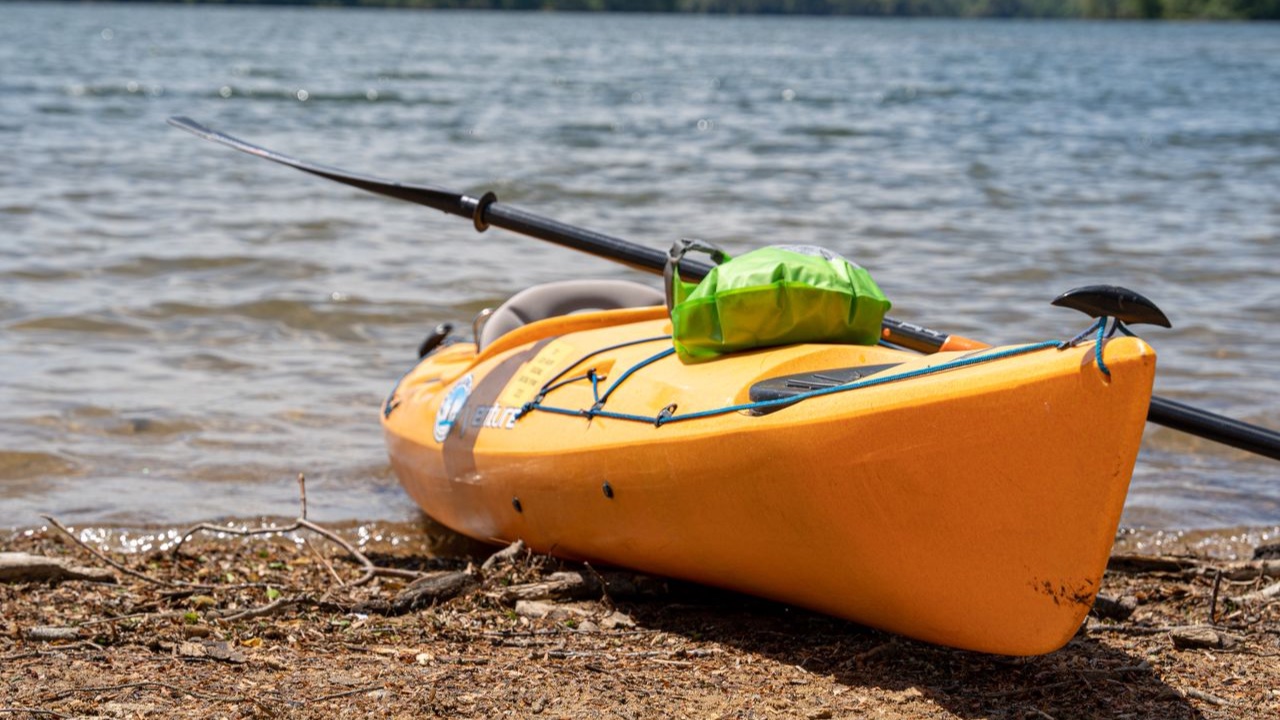
The pitch for a 2-in-1 waterproof cooler backpack is easy to understand: carry your gear and your cold drinks in the same bag, keep both dry, and don’t compromise either function. It’s a genuinely useful product concept for outdoor use, day hiking, beach days, and water sports where you’re carrying electronics alongside food and beverages. The category has grown because the use case is real.
What’s less obvious from the product listings is that combining waterproof construction with an insulated cooler compartment creates a set of engineering tensions that most factories resolve by compromising one function or the other — and that the compromise is usually invisible until the bag is in regular use. I’ve bought products in this category that looked right on the spec sheet and failed in use within a few months. Understanding where those failures come from changes how you evaluate samples and what questions you ask suppliers.
The Core Tension: Sealing vs. Access
A genuine waterproof bag relies on eliminating penetration points. Water gets in through three routes: the fabric surface, the seams, and the openings. Good waterproof fabric construction handles the first. Welded or taped seams handle the second. The opening — typically a zipper — is where the design gets complicated.
Airtight and waterproof zippers exist and work well in dry bags, where the bag is designed to be sealed completely and accessed infrequently. A dry bag might be opened once at the put-in point of a kayaking trip and again when you reach camp. The zipper is a one-time closure per use session, essentially.
A cooler backpack doesn’t work that way. The whole point is to access the cooler compartment repeatedly — for drinks, snacks, ice packs — throughout a day of use. Every access cycle is a waterproof integrity test, and most waterproof zipper systems weren’t designed for twenty open-and-close cycles in a four-hour period. The gasket wears. The alignment shifts slightly after the bag has been compressed and reshuffled a few times. What sealed correctly on a new sample develops small gaps after a few months of real use.
The factories that solve this do so through zipper selection and track geometry. A zipper designed for high-cycle waterproof performance — thicker gasket material, a track profile that maintains alignment under compression — costs more and requires more careful installation than a standard waterproof zipper. The difference isn’t visible from a photo and isn’t always apparent from a spec sheet that just says “waterproof zipper.”
The TPU Problem in a Backpack Form Factor
Insulated compartment construction that actually works relies on TPU lining with heat-welded seams, for the same reasons that matter in any soft cooler: no needle holes, no adhesive joints that delaminate under thermal cycling. The problem in a backpack form factor is that TPU heat welding works best in flat panel construction, and backpacks aren’t flat.
The structured shape of a backpack — contoured panels, ergonomic back system, compression straps, hip belt attachment points — creates geometry that’s difficult to heat-weld cleanly. Corners, curves, and attachment points are exactly where TPU welding becomes technically demanding. These are also the first places where the weld fails.
What I typically see in samples from factories that haven’t fully solved this: the main body panels are properly TPU-welded, but the corners of the cooler compartment are stitched rather than welded, and the zipper attachment at the compartment opening is glued or stitched rather than bonded. This reduces the TPU lining to a moisture barrier on the flat surfaces only, which is considerably less useful than a sealed compartment.
When evaluating a sample from any waterproof bag supplier in this category, I turn the cooler compartment inside out if I can access it, and I look at the corner construction and the zipper attachment under good light. A properly welded compartment shows continuous, flat weld lines with no stitching visible at the junctions. A compromised one shows thread, adhesive squeeze-out, or a gap between the lining and the zipper tape.
The Backpack Structure vs. Insulation Thickness Trade-off
Effective thermal insulation in a soft cooler requires material thickness — foam backing, foil lining, adequate wall depth. This is straightforward in a dedicated cooler bag where the entire bag is the cooler. In a backpack where only one compartment is insulated, the insulation thickness competes with the overall bag geometry.
A backpack that looks proportional and wears comfortably has limits on how thick its cooler compartment walls can be before the bag starts to feel bulky and unbalanced. Factories building this product type make a choice, usually quietly, about where on the spectrum between “actually good cooler performance” and “acceptable pack ergonomics” they land.
The result is that most 2-in-1 cooler backpacks deliver meaningfully less thermal performance than a dedicated soft cooler of similar volume. This isn’t necessarily a problem — if the end customer is keeping drinks cold for four hours of hiking rather than ice retention over three days of camping, reduced performance may be entirely acceptable. But it becomes a problem when the product is marketed with cooler performance claims that imply parity with dedicated cooler bags.
Before approving a sample, I do a simple ice retention test: pack the compartment with a standardized amount of ice (I use a 1:2 ice-to-space ratio), close it, leave it in a warm room at about 28°C, and check how long before the ice is fully melted. A bag with credible insulation holds ice for four to six hours in those conditions. One with cosmetic insulation is closer to two. The test takes a day and tells you more than any spec sheet.
What to Actually Specify
The product category is viable and the demand is real. The sourcing challenge is finding factories that have genuinely worked through the engineering rather than assembling an approximation of it. The questions that separate them:
Ask specifically about zipper cycle testing for the cooler compartment opening. A factory that has done this work knows their zipper’s rated cycle count and can tell you how it was tested. One that hasn’t will redirect to the zipper brand name.
Ask to see interior construction on a production sample, not a showroom piece. Request access to the cooler compartment interior and look at the seam construction at corners and zipper attachment.
Run the ice retention test before committing to production quantities. A factory confident in their thermal performance will support this. One that’s less confident will try to move you past the testing stage.
The 2-in-1 waterproof cooler backpack is one of those products where the concept is easier to market than to build correctly. The factories that have built it correctly exist — they’re just not the majority of what shows up in a supplier search, and distinguishing them requires asking different questions than you’d need for a simpler product.