Why the Living Room Is the Hardest Room to Keep Warm — and What Actually Works
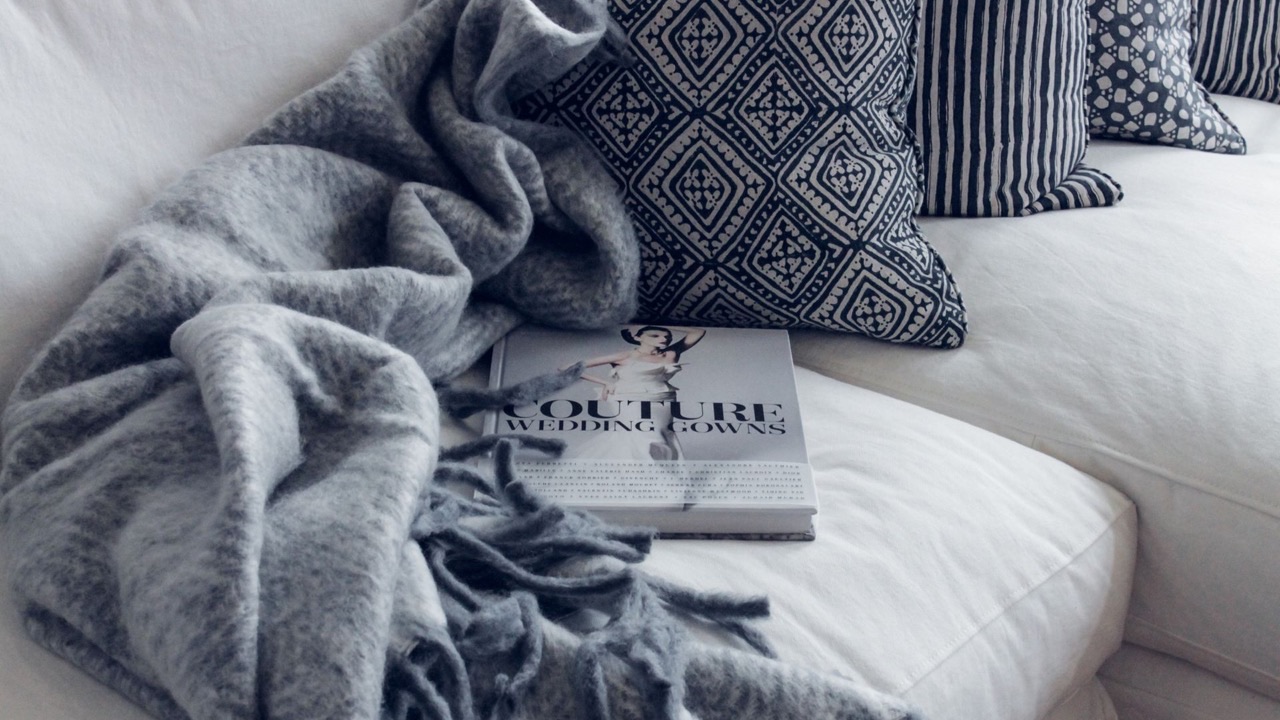
Most people have experienced the specific frustration of a living room that never quite reaches comfortable. You turn up the heat, it helps for a while, you feel the chill creep back in twenty minutes later. You add a layer, you take it off when you get up, you lose the warmth again when you sit back down. The bedroom manages fine, the kitchen is warm enough while you’re cooking, but the living room sits in a permanent in-between state that no thermostat setting seems to fix permanently.
This isn’t coincidence. Living rooms are structurally harder to keep warm than other rooms, and the reasons have practical implications for what actually helps.
Why the living room loses heat faster
Bedrooms are typically smaller and more enclosed. You sleep in them with the door shut, which contains the warmth your body generates overnight. The room’s relatively small volume means less air to heat and hold. Kitchens generate their own heat through cooking. Bathrooms are small and often have heated floors or towel rails.
Living rooms work against all of these factors. They’re usually the largest room in a home — sometimes open-plan, which means they share volume with the kitchen and hallway. They have more windows than other rooms, often larger ones, which lose more heat to conduction and drafts. They’re used with the door open or absent entirely. The furniture is positioned for gathering and watching, not for containing warmth.
The result is that a living room heated to the same thermostat setting as the rest of the house often feels noticeably colder, because the heating system is fighting harder against more surface area and air volume. And when you sit still for hours — which is what most people do in a living room — your perception of the ambient temperature drops because your body isn’t generating movement warmth.
What the thermostat can’t fix
Turning the thermostat up is the obvious response, but it’s an inefficient one. Heating the entire volume of an open living room to compensate for the fact that you’re stationary on the sofa means heating a lot of air you’re not directly experiencing. The energy cost is high and the result is often a room that’s warm when you stand up and move around but still not quite right when you’re sitting still.
The more efficient solution is local warmth — something that keeps the zone around your body at the right temperature rather than requiring the whole room to reach a threshold. This is the actual function of a good living room blanket, and it’s a more targeted solution than most people treat it as.
A blanket that genuinely works keeps you warm at an ambient temperature that would otherwise be insufficient. You can keep the thermostat at the temperature that feels right when you’re moving around the house, and the blanket handles the gap when you sit still. This is both more comfortable and less expensive over a heating season.
What “actually works” means in practice
Not all throws perform the same way in this role. The specific requirements of a living room blanket — as opposed to a decorative accent or a bedroom layer — are worth thinking through.
Warmth relative to weight: you want a blanket that provides meaningful warmth without being heavy. A heavy blanket on the sofa is less comfortable to use for extended periods and less practical to pick up and adjust. Alpaca fiber is warmer by weight than sheep’s wool and significantly warmer than most synthetics at equivalent weight, which means a medium-weight alpaca throw provides more usable warmth than a heavy cotton or synthetic throw of the same size.
Moisture management: sitting under a blanket for two to three hours generates body heat and some moisture. Synthetic fills trap this moisture, which creates the clammy feeling that makes you push the blanket off before you’ve actually gotten warm enough to do so. Natural fiber blankets — alpaca specifically — absorb and release moisture through the fiber structure, which keeps the microclimate inside the blanket stable for longer. The result is that you stay comfortable for the full duration rather than cycling through warm-then-clammy.
Coverage that holds: a blanket that slides off every time you shift position requires constant management, which interrupts the warmth it provides. Weight and drape matter here — a blanket with enough density to stay in position through minor movements maintains coverage more reliably than a very light, low-GSM throw that follows every adjustment.
The fiber question for living room use
An 85% alpaca and 15% cashmere blend hits the requirements for living room use better than the alternatives. The alpaca provides warmth and durability; the cashmere adds softness at the surface. The blend is lighter than a comparable wool blanket at the same warmth level and warmer than a comparable weight of synthetic fill.
The practical difference shows up in extended use. A synthetic throw that feels fine for the first hour starts feeling either too warm in the covered areas and cold where it’s gapped, or consistently clammy if you’ve been under it long enough. An alpaca blend at the same weight level maintains a more even temperature across the full time you’re under it, because the fiber adjusts to what your body is producing rather than simply trapping it.
What changes once the blanket actually works
The most telling sign that a living room blanket is doing its job properly is that you stop thinking about the temperature in the room. You sit down, you pull it over, and you’re comfortable — not temporarily comfortable while you wait for the room to warm up, not comfortable-except-for-your-feet, not comfortable-for-forty-minutes-before-you-get-too-warm. Just comfortable, continuously, for the duration.
This sounds like a low bar, but it’s surprisingly hard to clear with the wrong blanket. The standard 50×60 inch throw at average GSM that most households have on the sofa clears this bar some of the time — on mild evenings, sitting still in a small living room. On colder nights, in larger spaces, or after two hours under a synthetic throw, it stops clearing it.
The thermostat offset
There’s a practical energy calculation worth making. If a well-made blanket means you can keep the living room thermostat two or three degrees lower than you would otherwise need to be comfortable, the savings over a full heating season offset a meaningful portion of the blanket’s cost. The blanket keeps you warm; the thermostat keeps the room at the lower threshold that the blanket bridges from.
This is an argument that doesn’t usually appear in the conversation about quality home textiles, but it’s a real one — particularly in homes where the living room heating cost is noticeable on the utility bill.
The most direct answer to why the living room is hard to keep warm is that it’s a large, open space where you sit still for extended periods. A blanket solves this more precisely than any heating system does, provided the blanket is actually up to the task.