Why NPS 2 Pipe Doesn't Have a 2-Inch Outside Diameter — And What to Do About It
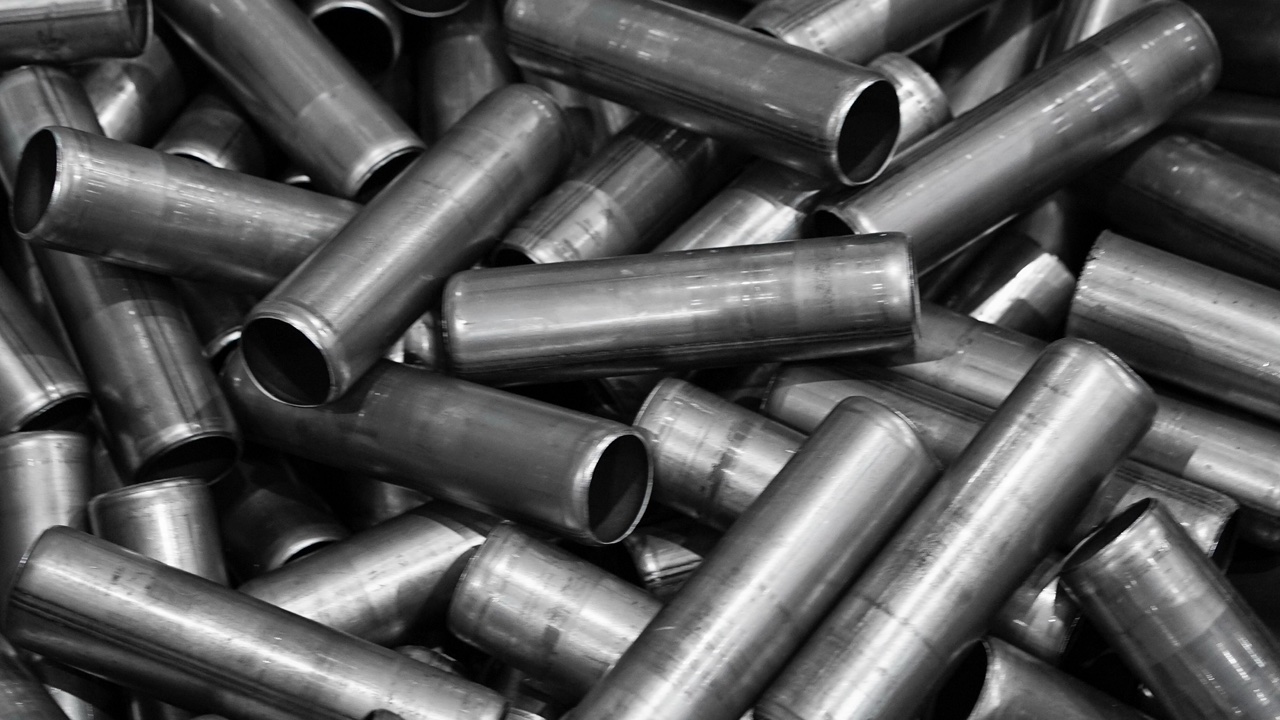
One of the first things that confuses people new to industrial pipe procurement is that nominal pipe size doesn’t describe the actual size of the pipe. An NPS 2 pipe does not have a 2-inch outside diameter. The outside diameter of an NPS 2 pipe is 2.375 inches. The “2” in NPS 2 is a designation — a standardized label — not a measurement.
This seems like a strange way to label things, and understanding why it works this way makes procurement a lot less frustrating.
Where the Nominal Size Comes From
Pipe sizing conventions developed during the industrial era, when pipe dimensions were based on the inside diameter of the pipe rather than the outside. A pipe with an inside diameter of roughly 2 inches was called a 2-inch pipe, and the name stuck through successive generations of standards development.
The problem is that wall thickness varies. As manufacturers developed pipes for higher-pressure applications, they increased wall thickness — but kept the outside diameter constant so that fittings and connections would still be compatible across different pressure ratings. A heavier wall means a smaller inside diameter, but the outside diameter stays fixed. The nominal size designation carried over as the inherited name, even though it no longer corresponded precisely to the inside diameter either.
The result is a system where the nominal size is essentially a legacy identifier rather than an actual measurement. For pipes larger than NPS 14, the nominal size does correspond to the outside diameter in inches — but for anything NPS 12 and below, the outside diameter is always larger than the nominal size would suggest.
The Outside Diameter Is What You Actually Need
For procurement purposes, the outside diameter is the critical dimension. It determines whether a pipe will connect to a fitting, pass through a flange, or fit within a specified clearance. The outside diameter for each NPS designation is fixed by standard — it doesn’t change with wall thickness or Schedule. This is by design: the entire point of keeping OD fixed is that a Schedule 40 pipe and a Schedule 80 pipe with the same NPS designation will connect to the same fittings.
The standard outside diameters for common NPS sizes:
- NPS ½ → OD 0.840 in (21.3 mm)
- NPS ¾ → OD 1.050 in (26.7 mm)
- NPS 1 → OD 1.315 in (33.4 mm)
- NPS 1½ → OD 1.900 in (48.3 mm)
- NPS 2 → OD 2.375 in (60.3 mm)
- NPS 3 → OD 3.500 in (88.9 mm)
- NPS 4 → OD 4.500 in (114.3 mm)
- NPS 6 → OD 6.625 in (168.3 mm)
- NPS 8 → OD 8.625 in (219.1 mm)
- NPS 10 → OD 10.750 in (273.1 mm)
- NPS 12 → OD 12.750 in (323.9 mm)
These values come from ASME B36.10M and are consistent across ANSI and ASTM specifications for steel pipe.
How Wall Thickness Fits In
Once the outside diameter is fixed by NPS designation, the variable that changes with pressure rating or Schedule is wall thickness. A heavier Schedule means more wall — which reduces inside diameter and increases weight per unit length.
Schedule 40 is the standard weight for most general applications. Schedule 80 is extra-heavy and suitable for higher-pressure systems. Schedule 160 and XXS (double extra strong) are used in high-pressure industrial applications. The actual wall thickness associated with each Schedule number depends on the NPS — Schedule 40 for NPS 2 has a different wall thickness than Schedule 40 for NPS 6. They’re not proportional in a simple way, which is why the relevant dimension for procurement is always the actual wall thickness in millimetres or inches, not just the Schedule number.
What a Complete Pipe Specification Looks Like
A well-specified pipe order for steel pipe should include:
- NPS designation (e.g., NPS 2)
- Outside diameter confirmed from the applicable standard (e.g., 60.3 mm)
- Wall thickness in mm or inches, not just Schedule (e.g., 3.91 mm)
- Material specification (e.g., ASTM A53 Grade B, or EN 10255)
- Length and whether plain end, beveled end, or threaded
Specifying only NPS and Schedule leaves room for interpretation when the same Schedule can mean slightly different wall thicknesses under different standards. Manufacturers produce to the outside diameter and wall thickness as the actual production dimensions — the NPS and Schedule are reference identifiers, not the production target.
For buyers working across markets where both NPS and DN (metric nominal diameter) specifications are used, the conversion is straightforward: DN50 corresponds to NPS 2, DN80 to NPS 3, DN100 to NPS 4, and so on. The outside diameters are the same — the designation system is just different. A complete nominal pipe size reference will show both NPS and DN alongside the OD, making cross-standard verification simpler.
The Practical Takeaway
When placing a pipe order, don’t rely on the nominal size alone. Confirm the outside diameter against the applicable standard, specify wall thickness as an actual dimension rather than relying solely on Schedule, and include the material specification. This approach removes the ambiguity that causes size mismatches — especially when the order involves suppliers or standards from different markets.
The nominal size system has been in use for over a century and isn’t going anywhere. Understanding that it’s a label rather than a measurement is the starting point for working with it correctly.