Why the Camera Is Now the Part of Your iPhone Most Worth Protecting
The priority order for protecting a new iPhone used to be straightforward: screen first, everything else optional. The screen was the obvious vulnerability — the large glass surface that faced outward, took the impact when the phone hit the floor, and was expensive to replace. Everything else was secondary.
That calculation has quietly shifted. The camera system on current iPhones has become the most technically sophisticated component in the device, the most expensive to repair when something goes wrong, and in some ways the most vulnerable to a specific type of damage that protective cases don’t address. If you’re putting a case on your iPhone, you’re protecting the body and the screen. Whether you’re protecting the thing that now matters most depends on what else you’ve done.
What the camera system has become
A few years ago, an iPhone camera was a single lens behind a small glass element, sitting approximately flush with the back of the phone. The repair cost for a damaged camera module was significant but not extraordinary.
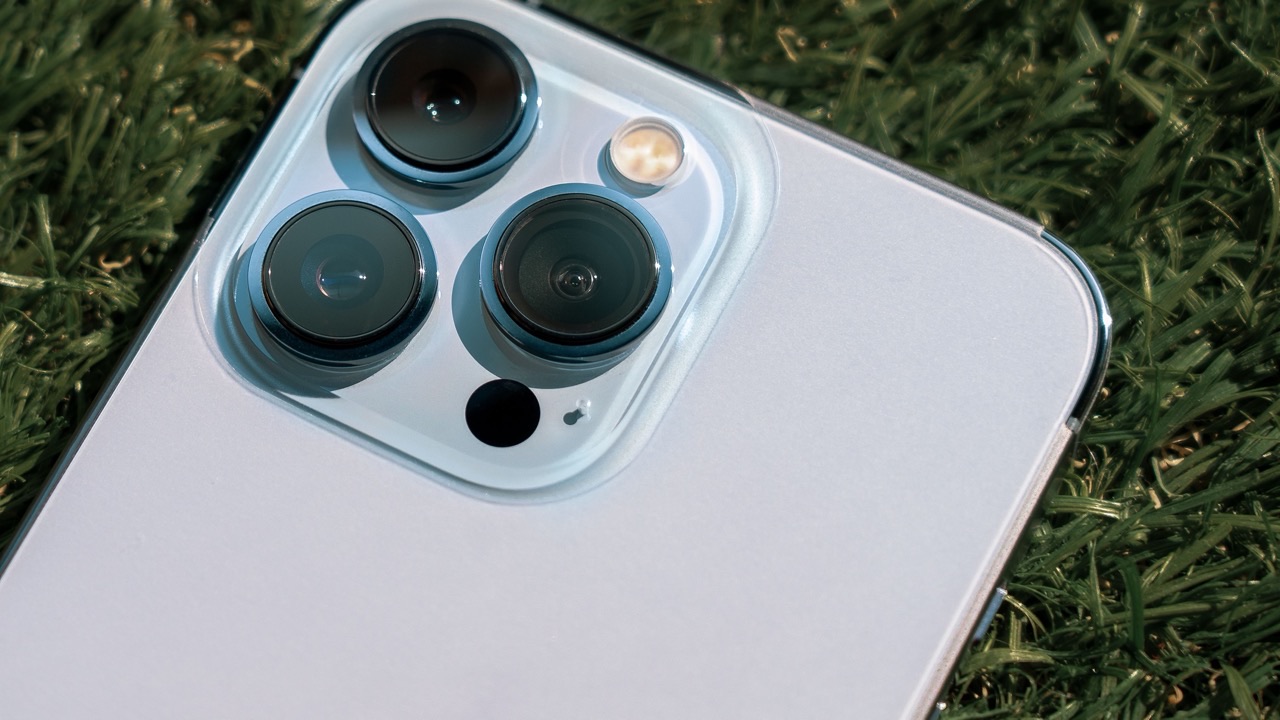
The current generation of iPhone camera systems is a different product. The Pro models carry three separate lenses — main, ultrawide, and telephoto — each behind its own optical element, each part of a hardware system that includes computational stabilization, autofocus mechanisms, and sensor arrays that feed into Apple’s image processing pipeline. The camera module in a current iPhone Pro is a precision optical assembly that represents a substantial portion of the device’s total hardware value.
The repair cost reflects this. An out-of-warranty camera repair on a current iPhone Pro can run $500 or more through Apple, and third-party repairs come with the caveat that camera functionality — particularly computational features — may not fully restore after non-OEM repair. The camera has become one of the most expensive single components in the device to fix.
The vulnerability that cases don’t solve
A protective case wraps around the phone’s sides and back and raises a lip around the screen to absorb impact when the phone is set face-down. Most cases also have a raised edge around the camera cutout, so the camera doesn’t contact a flat surface directly when the phone is laid on its back.
What a case doesn’t protect against is abrasive contact at the lens surface. The optical elements on the camera protrude from the back of current iPhone models — the camera bump is a design feature that allows the lens system to be deep enough for the optics to work properly. When a phone is slid across a surface, placed in a bag, or put in a pocket with other items, the lens elements are exposed to whatever is in contact with them.
The lens elements themselves are sapphire crystal, which is harder than most common materials and significantly more scratch-resistant than the glass on the phone body. Sapphire is genuinely hard to scratch under normal circumstances. But “hard to scratch” isn’t the same as “impossible to scratch,” and the protruding position of the lenses means they experience more contact with abrasive surfaces than a flush element would.
More importantly, the lens coating — the anti-reflective treatment applied to the outer optical surface — is not sapphire. It’s a thin-film coating that’s more susceptible to abrasion than the underlying element, and damage to the coating causes optical effects (glare, flare, reduced contrast in backlit scenes) that degrade image quality without requiring visible scratching of the lens itself.
What the repair situation actually looks like
When the lens element on an iPhone camera is scratched or damaged, the options are limited. Apple replaces the entire rear camera module, not individual lens elements, which is why the repair cost is high. The module contains all three cameras plus the LiDAR scanner on Pro models, and Apple’s repair process replaces it as a unit.
Third-party repair shops can sometimes replace individual cameras within the module, which reduces cost but introduces the risk of losing functionality — features like ProRes video, Photonic Engine processing, and some portrait mode capabilities depend on tight integration between the hardware and iOS, and repairs using non-OEM parts can break this integration. The camera may work for basic photography but lose its more sophisticated functions.
Neither repair path is cheap or fully satisfactory, which makes prevention the more practical approach by a considerable margin.
What an iphone camera cover actually does
A lens protector — a tempered glass or optical-grade film cover that sits over the camera system — puts a sacrificial layer between the lens elements and whatever contacts them. When the protector picks up a scratch, the scratch is on the protector rather than on the underlying optics. The protector is replaceable for a small fraction of the cost of a camera module repair.
The optical quality of a well-made lens protector doesn’t degrade image quality in normal shooting. The glass is designed to be optically clear and thin enough that it doesn’t interfere with the camera’s autofocus or create additional flare. The tradeoff for using a protector is essentially zero in image quality and nonzero in protection.
The argument for an iphone camera cover is the same argument that always exists for protective accessories: the cost of prevention is lower than the cost of the repair it prevents, and the thing being protected has become expensive enough that the math favors prevention clearly. For a camera system worth several hundred dollars to replace, a protector that costs a small fraction of that and can be replaced when damaged is the obvious call.
The timing question
One of the consistent mistakes people make with protective accessories is buying them after the thing they’re protecting is already damaged. A screen protector bought after the screen has cracked protects the cracked screen; a camera protector applied after the lens coating is already worn down protects a lens that’s already compromised.
The optical effects of lens coating wear — reduced contrast in backlit scenes, increased lens flare — are gradual enough that they’re easy to miss until they’re pronounced. By the time the degradation is visible in photos, it’s already been accumulating for a while. Applying protection at the beginning of a phone’s life means the lens stays in its original condition for longer, and photos taken a year from now look the same as photos taken the week the phone arrived.
The camera is the feature that most people point to when they explain why they upgraded. Protecting it from the kind of damage that quietly degrades its performance over time costs little and preserves the thing the upgrade was for.